 AI
AI  Analytics
  Cloud
Cloud  Office
  Stock
Stock  Disk
Disk  Dev
Dev  Forms
Forms  Crypto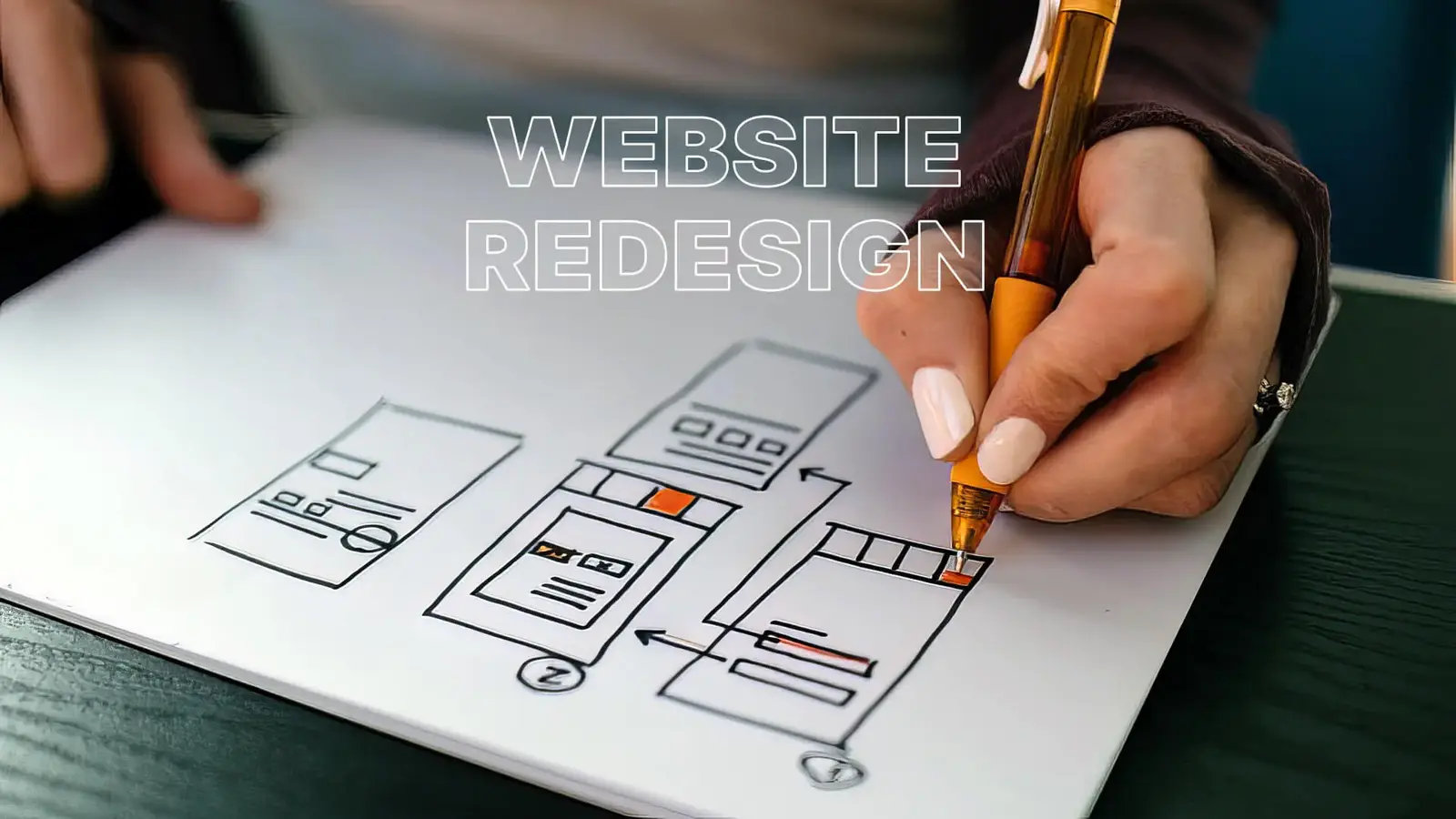
AI Integration: The New Standard in Web Design
Artificial Intelligence is revolutionizing website redesign by enabling personalized user experiences and improved SEO positioning. AI technologies such as chatbots, content generation algorithms, and predictive analytics help create dynamic, up-to-date websites that adapt to user behavior in real-time.
Key AI Applications:
- Intelligent chatbots for 24/7 customer support
- Personalized content recommendations
- Automated A/B testing and optimization
- Dynamic content generation
- Predictive user journey mapping
Focus on User Experience (UX)
User experience remains at the heart of successful website redesign. Modern designers create intuitive, immersive experiences using Y2K-inspired effects, vibrant gradients, kinetic typography, and interactive storytelling. The goal is to keep visitors engaged while ensuring easy navigation and fast load times.
UX Best Practices for 2024:
- Mobile-first responsive design
- Intuitive navigation with clear information architecture
- Fast page load times (under 3 seconds)
- Micro-interactions for enhanced engagement
- Consistent design language across all pages
Nostalgia for Y2K Design Aesthetics
Retro design from the late 90s and early 2000s is making a comeback, bringing oversized text, static noise effects, and pastel colors that add unique charm to websites. This trend appeals to millennials while introducing Gen Z to vintage digital aesthetics.
Organic Design Inspired by Nature
Organic design creates more natural and humane websites through fluid shapes, gradients, and three-dimensional effects. This approach conveys freedom and dynamism while providing a calming visual experience. Biomimicry principles influence everything from color schemes to navigation patterns.
Accessibility and Inclusivity as Imperatives
Accessibility is no longer optional—it's essential. Websites must be accessible to all users, including people with disabilities. This requires:
- WCAG 2.1 AA compliance as minimum standard
- Proper semantic HTML structure
- Keyboard navigation support
- Screen reader compatibility
- Sufficient color contrast ratios
- Alternative text for all images
- Captions and transcripts for multimedia
Motion Effects and Interactive Elements
Motion effects like hover animations, parallax scrolling, and moving elements create immersive experiences for visitors. Interactive elements including video content, dynamic typography, and scroll-triggered animations have become standard features of modern websites.
Implementation Guidelines:
- Use motion purposefully, not decoratively
- Provide options to reduce motion for accessibility
- Ensure animations don't hinder page performance
- Test across different devices and connection speeds
Sustainable Web Design
Sustainable web design minimizes environmental impact through:
- Optimized image formats (WebP, AVIF)
- Efficient code and reduced file sizes
- Green hosting providers
- Dark mode options to reduce energy consumption
- Lazy loading for images and videos
- Content delivery networks (CDNs) for faster, more efficient delivery
Website redesign in 2024 demands adaptation to new standards and innovations. By integrating AI, focusing on UX, ensuring accessibility, and implementing sustainable practices, websites can remain competitive and relevant. These trends ensure your site meets modern user expectations while being environmentally conscious and inclusive.

Leave a comment
Your email address will not be published. Required fields are marked *